Think About Books with Strong Female Leads
Seriously—pause for a minute.
Picture them in your mind. Close your eyes.
What does a book that celebrate’s female empowerment look like?
Got it? Hold that image. Now, read this rhyme from Faye’s Foil out loud with a heavy lilt of boredom in your voice. (Yes, I am asking you to read a rhyming picture book passage like you’re completely over it.)
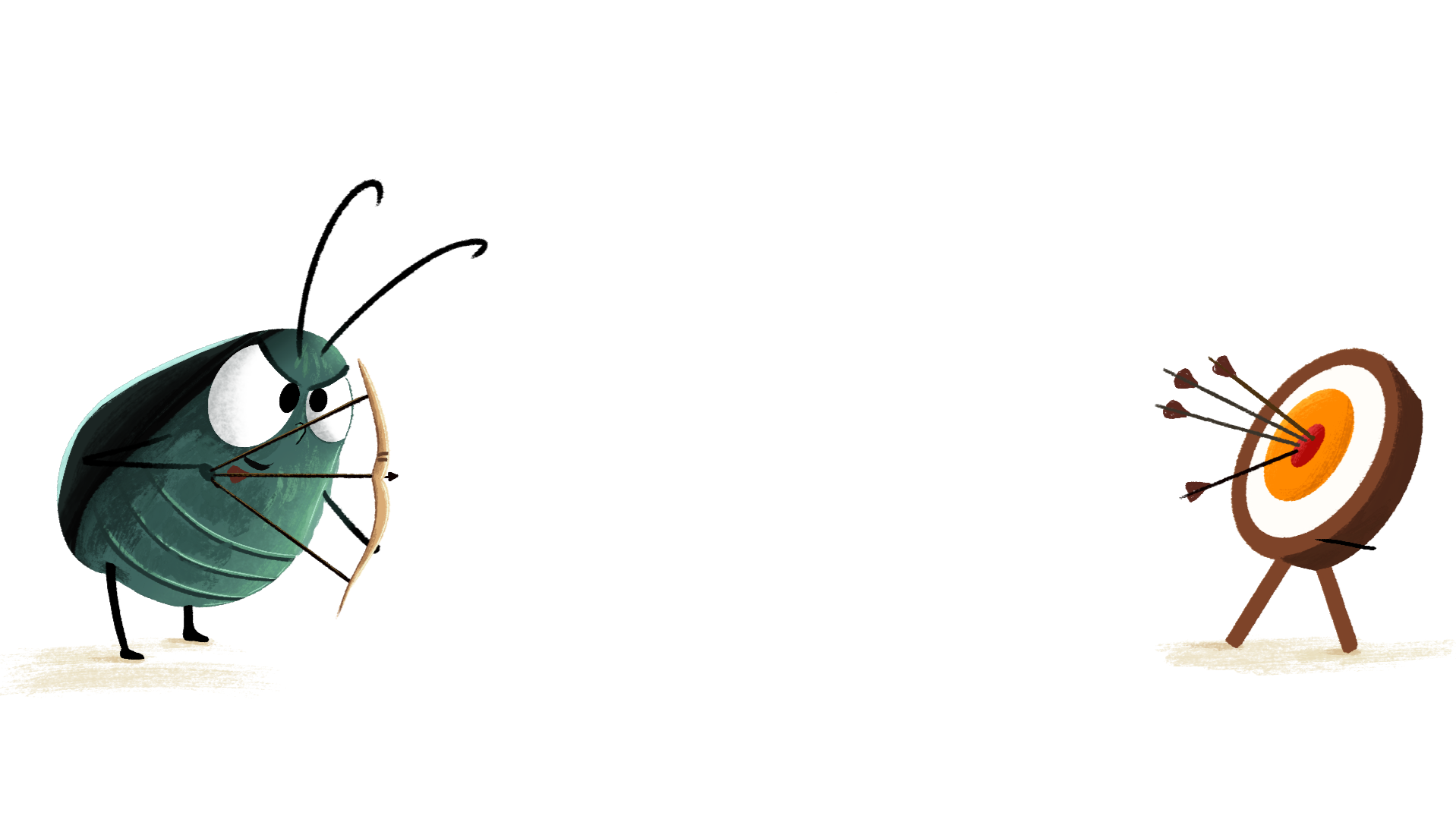
Across the way, Bea’s standing tall.
All but sure to win it all.
The crown leans in, the quiet grows,
They know just how this story goes.
She draws her bow—her hands stay light.
She frees the string—her aim is right.
The arrow soars—a perfect flight.
It strikes the mark—dead center, tight.
A second shot, then three, then four.
Each flies just like the one before.
And there you have it. A female protagonist who has achieved perfection in her sport.
Yawn.
Because the best books with strong female leads?
They’re not about the ones who get it right.
They’re about the ones who get it wrong, who struggle, who grow, who overcome.
But perfection? Especially when it’s expected?
Yawn.
In real life, we don’t cheer the struggle—we curate the result.
We show up with the “I woke up like this” energy.
We celebrate the overnight success (that took ten years).
In real life, we expect women to show up perfect before we hold the door open for them.
The disconnect between the heroines we write about and how we treat real women is… well, disconcerting.
Female Empowerment Is the Embodiment of Choice
That poem about Bea? It’s actually one of my favorite passages I’ve ever written.
I love how it looks on the page.
I love how my voice flattens when I read it aloud.
I especially love how the kids giggle when I read it with maximum eye-roll.
Because Bea’s story doesn’t end with a trophy.
Her hero’s arc isn’t about triumph—it’s about choice.
Bea doesn’t miss. We all know women like that.
The ones who’ve mastered perfection. The ones who use it to prove they belong.
Some even hold that standard over others like a velvet rope.
“You can sit at this table… once you measure up.”
But Bea? She’s different.
For her, perfection is a tool. A choice.
A strategic arrow in her quiver.
Though they never speak in the story, Bea sees what brought Faye to the Bug-lympics—
Every little girl who was told, “Just follow the rules, and you’ll succeed.”
Bea did follow the rules. She mastered the system.
She could win, over and over again, on autopilot. Is that what we’re supposed to see as female empowerment?
Or…
Is it choosing to send one wild arrow soaring,
One that breaks formation, dips through dandelions,
And clears a path for Faye to choose a life not defined by someone else’s rules; rules that she did not have a hand in creating.
Rhyming Picture Books… Not Just for Kids
Ah, the rules.
I write rhyming picture books that celebrate authenticity, question convention, and embrace messy, magical, radical acceptance.
And sure, I’ve heard the critiques:
“The vocabulary is too advanced.”
“The themes are too big for little kids.”
Here’s what I say to that:
One—
I have zero credentials in early childhood education.
So yes—when in doubt, trust the professionals.
But I also know that statisics show 54% of adults read at or below a 6th grade level and 1 in 5 reads below a 3rd grade level.
And I’ve watched my own kids learn “big words” simply because they wanted to.
By age four, my daughter’s go-to pep talk was:
“Sniff… sniff… be proactive.”
So no, I don’t buy the idea that kids can’t handle complexity. And, maybe the cure to the adult literacy gap is not keep kids locked into smaller “easy” words, but have them stretch those reading muscles a bit.
Two—
The rhyming picture books we created at Bug & Bear press aren’t just books for kids.
They’re bridges between generations.
They’re fun to read aloud, yes, but the themes challenge adults just as much.
In an article published in The Writer, Julie Matysik, editorial director of Running Press Kids is quoted as saying she enjoys working with children’s literature because “I put myself back into the eyesight of a younger person, which helps me to feel more grounded and gives me new perspective on how I see things as an adult.”
“I like to get back into that space where I can be a kid again.”
What if we flipped that idea?
What if we embraced the power kids have to help us see ourselves more clearly?
What if stories co-created with kids made grown-ups pause and say,
“Hey… thanks for the reminder.”
Three—
At Bug & Bear Press, we’re not just telling stories.
We’re reshaping how stories are told.
“Shaping Stories; Shaping Worlds.” That’s our guiding truth.
And if we stick to the same storytelling formula…
We’ll keep getting the same world in return.
Isn’t the definition of insanity duing the same thing and expecting different results? In fact, its such a universal truth, Einstein is often mis-quoted as having said it!
The Not-So-Strange Connection Between Female Empowerment, Rhyming Picture Books, and Strong Female Leads
Too many books with strong female leads follow the same arc:
A woman who overcomes hardship and finally earns her place in a world built by men and for men.
The “anything you can do, I can do too” story.
And sure—we can.
But maybe the real question is: Should we want to?
Or… should we take the pen and rewrite the story altogether?
Draw the final arrow from our quiver and teach the next generation (or have them teach us) to aim not for perfection, but for possibility.
The final shot. The moment’s here.
Bea’s mind is calm. Her aim is clear.
She nocks her arrow, draws the string,
Lets it fly and hears it sing.
It soars through sunlight, swoops through shade,
Tracing ribbons being made.
It dips to greet a dandelion,
Finding magic as it’s flying.
It takes a turn that’s not allowed
And dances through a cotton cloud.
Then gently, softly, comes to land—
In a quiet spot, not quite as planned.

Not off course.
Just on her course.